テレビ山梨
テレビ山梨
Because this crank-like form resembles the walls surrounding a Sengoku-period fort, it is sometimes cited as evidence that this was a defensive facility from the Sengoku era.
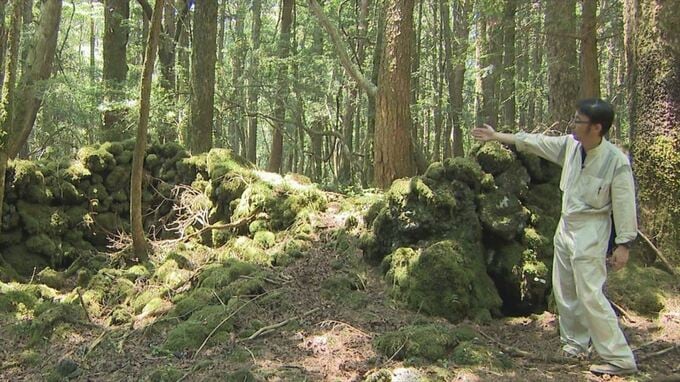
However, just because it has a “crank” shape does not necessarily mean it was modeled after a castle wall. Since this is such a massive structure, it is possible that the group building from the east and the group building from the west failed to meet precisely at the same point.
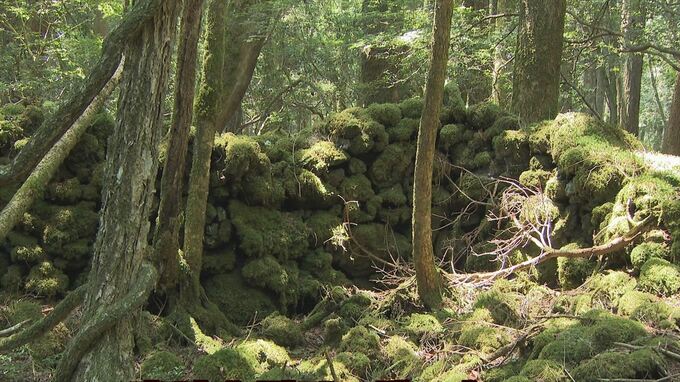
In that case, the misaligned sections may simply have been connected to making them fit together.